Health and Safety Policy for Landscaping Shadwell
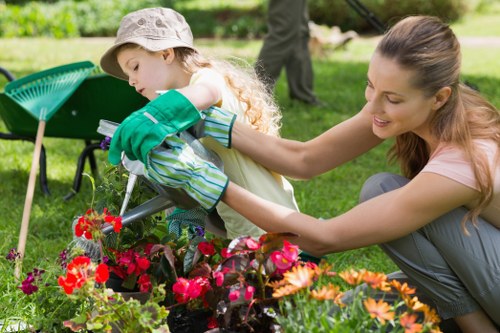 Landscaping Shadwell requires a clear and practical health and safety policy that protects workers, clients, visitors, and the public. This policy sets out the standards expected during all grounds maintenance, planting, turf care, pruning, clearance, and related outdoor activities. It applies to every task carried out by the team, whether on small domestic spaces or larger commercial sites. The aim is to prevent injury, reduce risk, and ensure that all landscaping work is completed in a controlled and professional manner.
We are committed to providing a safe working environment by identifying hazards before work begins and taking sensible steps to manage them. This includes using suitable equipment, maintaining machinery correctly, and making sure all staff understand safe working methods. In landscaping Shadwell, the range of tasks can change from one site to another, so careful planning is essential. Each project should be assessed individually, with attention given to ground conditions, weather, access points, nearby structures, and the presence of the public.
 All employees, contractors, and supervisors must follow this policy and take personal responsibility for their own safety and the safety of others. This means reporting damaged tools, unsafe conditions, near misses, or any concern that could lead to an accident. A strong safety culture is built on communication, observation, and action. No task should continue if it cannot be completed safely. Safety always comes before speed, and work must be paused whenever conditions become unsuitable.
Responsibilities and Safe Working Standards
Management is responsible for providing proper training, suitable protective equipment, and safe systems of work. Staff must be instructed in the correct use of mowers, trimmers, hedge cutters, blowers, spades, ladders, and other landscaping tools. Equipment should only be operated by trained personnel who understand the risks involved. In Shadwell landscaping operations, supervision is important, especially when multiple tasks are being completed at the same location. Written risk assessments should be prepared where required and reviewed regularly.
Employees must wear appropriate personal protective equipment, including gloves, safety footwear, eye protection, hearing protection, and high-visibility clothing where necessary. Clothing should be suitable for the weather and the task, allowing freedom of movement without creating additional hazards. Loose items, unsafe footwear, and damaged PPE must not be used. Good preparation reduces avoidable incidents and helps staff work confidently and efficiently.
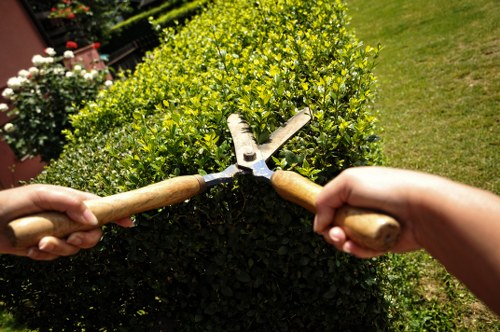 The middle of every working day should include awareness of changing conditions. Soil can become slippery, grass can hide uneven ground, and plant debris can create trip hazards. Tools should be kept tidy, paths should remain clear, and waste should be collected promptly. If work involves the use of fuel, chemicals, or sharp implements, extra care must be taken. All materials should be stored securely and handled according to manufacturer instructions and internal procedures.
Risk Control, Plant Safety, and Site Conduct
Operating machinery safely is central to this policy. Pre-use checks must be completed before starting equipment, and any fault must be reported immediately. Guards, switches, blades, and controls should be inspected to confirm they are working properly. In landscaping Shadwell environments, where sites may be shared with residents, clients, or passing pedestrians, machinery must be used with particular caution. Engines should be switched off before adjustments, cleaning, or transport. Refuelling must be carried out carefully, away from ignition sources.
Manual handling also presents a significant risk. Staff should assess the weight, shape, and stability of objects before lifting or moving them. Where possible, heavy materials such as soil bags, pots, paving pieces, or waste should be moved using aids or by more than one person. Repetitive tasks should be planned to avoid fatigue. Safe lifting techniques and sensible pacing help prevent back injury and strain.
Hydration, breaks, and weather awareness are essential parts of safe working outdoors. Hot conditions can cause exhaustion, while cold, wet, or windy weather can affect concentration and increase the chance of slips and falls. Staff should dress appropriately, take rest breaks as needed, and stop work if lightning, strong winds, or other severe conditions make the site unsafe.  Sun protection and winter precautions should be used when relevant, and supervisors should monitor welfare throughout the day.
Emergency Procedures and Reporting
All personnel must know the basic emergency actions for accidents, injuries, fires, spills, or incidents involving machinery. First aid supplies should be available, and at least one trained person should be present where work arrangements require it. Emergency procedures should be explained before work starts, especially on unfamiliar sites. If an incident occurs, the area should be made safe, assistance should be provided, and the event should be reported without delay.
Near misses, hazards, and incidents must be recorded so that lessons can be learned and controls improved. Reviewing events helps identify patterns and prevent repeat problems. In Shadwell landscaping, where conditions can vary widely across gardens, courtyards, verges, and maintained grounds, regular review is especially valuable. A simple but consistent reporting process supports continuous improvement and demonstrates a commitment to responsible working practices.
 This policy will be reviewed regularly to ensure it remains effective, practical, and in line with current working methods. Changes in equipment, staffing, site conditions, or task types may require updates to procedures and training. Everyone involved in landscaping Shadwell work is expected to contribute to a safe workplace by following instructions, using equipment correctly, and speaking up when something seems unsafe. With careful planning, suitable training, and strong teamwork, high standards of health and safety can be maintained on every project.