Landscaping Shadwell: Creating Attractive, Functional Outdoor Spaces for Urban Living
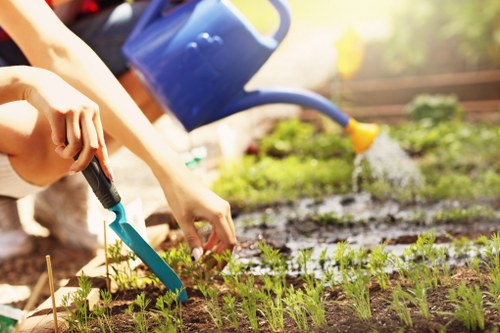 Landscaping Shadwell is about more than making outdoor areas look appealing. In a place where streets, terraces, courtyards, and compact gardens can all play a major role in daily life, thoughtful landscape design can completely change how a property feels and functions. Well-planned outdoor spaces bring beauty, practicality, and a sense of calm to busy surroundings, while also adding value and character to homes and commercial premises.
Shadwell has a unique urban identity, and that means landscaping here often needs to balance style with smart use of space. Whether the focus is on a small private garden, a shared courtyard, a front entrance, or a larger commercial setting, landscaping in Shadwell requires creativity and an understanding of how local environments work. The best results combine planting, paving, layout, and maintenance-friendly features in a way that feels natural and lasting.
For property owners, the goal is often to achieve a space that looks refined without demanding endless upkeep. That is why modern Shadwell landscaping solutions tend to favor durable materials, layered planting, and designs that are practical through the seasons. A beautifully landscaped area should feel inviting in summer, structured in winter, and usable all year round.
Why Landscaping Matters in Shadwell
In an urban area like Shadwell, outdoor spaces are especially valuable. Even a modest yard, patio, or paved entrance can become an extension of the home when it is designed well. Good landscaping helps transform underused spaces into places for relaxation, socializing, planting, and visual enjoyment. It also improves the first impression of a property, which is important for both residents and businesses.
Landscaping Shadwell often responds to the realities of compact city living. Space may be limited, privacy may be a concern, and the environment may include shade from surrounding buildings or varying ground conditions. A skilled landscape approach takes these factors into account and turns them into design opportunities rather than obstacles. Clever use of levels, textures, lighting, and plant selection can create a space that feels larger and more welcoming.
Another reason landscaping is so important in Shadwell is the impact it has on everyday quality of life. Outdoor areas that are neat, attractive, and easy to use can encourage people to spend more time outside. This matters in both residential and commercial settings. A well-designed landscape can support wellbeing, create a sense of order, and soften the hard edges often found in built-up urban neighborhoods.
Core Elements of Effective Landscaping
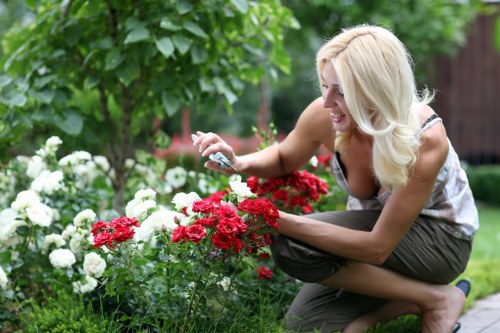 Successful landscaping in Shadwell usually begins with a careful assessment of the space. Before any planting or construction takes place, it is important to consider sunlight, drainage, access, existing structures, and how the area will be used. These factors shape the design and help ensure the final result is both attractive and practical.
One of the most important elements is layout. Good layout creates flow, making the outdoor area feel organized and easy to move through. Paths, seating zones, planting beds, and focal points should all work together. In smaller areas, the layout needs to be especially efficient. Every feature should earn its place, whether through visual interest, shade, privacy, or function.
Planting is another key component. The right plants bring colour, texture, movement, and life to any landscape. In Shadwell, planting choices often need to cope with urban conditions, such as sheltered courtyards, wind exposure, or mixed sunlight. A mix of evergreen structure, seasonal flowers, and hardy shrubs can create depth and continuity throughout the year. In many cases, using a balanced plant palette is better than relying on too many different species.
Design Approaches That Suit Urban Properties
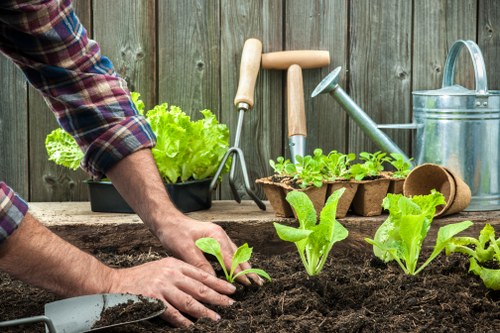 Urban landscaping works best when it reflects the character of the property and the surrounding area. In Shadwell, many properties benefit from designs that are contemporary, space-efficient, and easy to maintain. Clean lines, simple forms, and purposeful planting often work well because they create visual order without clutter.
Hard landscaping plays a major role in this type of setting. Materials such as stone, brick, timber, gravel, and decorative paving can define areas clearly and add texture. The choice of surface matters not only for appearance but also for durability and safety. Slip resistance, water drainage, and long-term wear should all be considered. A carefully chosen hardscape can anchor the design and support the softer planting elements around it.
Some of the most effective Shadwell landscaping projects use contrast in a controlled way. For example, smooth paving may be paired with soft ornamental grasses, or structured raised beds may be offset by more relaxed planting. This contrast keeps the space interesting while still feeling cohesive. When done well, it creates a polished look that suits modern urban life.
Landscaping for Small Gardens and Courtyards
Smaller outdoor spaces present special opportunities. While they may seem limited at first glance, they often respond very well to thoughtful design. In fact, compact gardens and courtyards can be some of the most satisfying spaces to landscape because every detail is visible and every feature has a noticeable impact.
For landscaping Shadwell in small areas, simplicity is often the key to success. Overcrowding a limited space can make it feel even smaller, so it is usually better to focus on a few strong design ideas rather than many competing ones. A clear seating area, a focal planting bed, vertical greenery, and a clean path or border can be enough to create a balanced and attractive result.
Vertical interest is especially useful where ground space is limited. Climbing plants, trellises, living walls, and tall planters can draw the eye upward and make the area feel more expansive. Mirrors or reflective surfaces may also help in some settings, though they should be used carefully so the design still feels natural and comfortable.
Making the Most of Light, Shade, and Shelter
Light conditions strongly influence landscaping decisions in Shadwell. Buildings can create shadowed areas, while narrow streets and enclosed spaces may receive only partial daylight. A successful landscape design works with these conditions rather than against them. Shade-tolerant planting, thoughtful positioning of seating, and reflective materials can all help brighten and balance the space.
Where sunlight is plentiful, planting can be more varied and colourful. Where shade dominates, texture becomes even more important. Different leaf shapes, foliage colours, and plant heights can provide interest without relying heavily on flowers. This makes the space feel rich and layered even when conditions are less than ideal.
Shelter is another significant factor. Urban settings may provide some protection from harsh weather, but they can also create wind tunnels or uneven microclimates. Good landscaping in Shadwell takes these conditions into account by placing more delicate planting in protected areas and using stronger structural plants where exposure is greater. The result is a landscape that looks good and performs well throughout the year.
Plant Selection for Lasting Appeal
Choosing the right plants is one of the most important parts of any landscaping project. In Shadwell, plants need to offer visual appeal while also coping with the practical demands of an urban location. Reliability is often just as important as appearance. Plants that establish well, stay tidy, and suit the available conditions tend to deliver the best long-term results.
A layered planting approach works especially well. Taller shrubs and small trees can provide structure, mid-height plants can fill out the middle ground, and lower-growing perennials or groundcovers can soften edges and add seasonal colour. This arrangement creates depth and helps the garden feel complete from every angle. It also allows the landscape to remain interesting throughout the year, even when some plants are not in bloom.
Evergreen plants are valuable because they maintain form and colour through all seasons. Deciduous planting adds variety and change, offering blossom, autumn colour, or seasonal texture. A well-balanced planting scheme often combines both. That balance is central to many successful Shadwell landscaping designs because it ensures the space looks considered in every season.
Hard Landscaping and Structural Features
Hard landscaping gives outdoor spaces shape and usability. In a city setting, these structural elements are often the backbone of the design. Paths, paving, retaining walls, raised planters, edging, steps, and seating areas all help define how the space works and how it is experienced.
Material choice matters greatly. Natural stone can lend elegance and permanence, while brick may reflect local architectural character and offer a timeless look. Timber adds warmth and can soften harder surfaces. Gravel is useful for drainage and informal texture. Each material has strengths, and the best option depends on the property, the desired style, and how much maintenance is realistic.
Well-designed structure also improves safety and accessibility. Clear routes, level transitions, sturdy edges, and practical surfaces make the space easier to use. In many landscaping Shadwell projects, these features are subtle but essential. They ensure the outdoor area is not only attractive but also comfortable and dependable in daily use.
Water, Drainage, and Ground Conditions
Any landscape must deal with water properly, and this is especially important in urban environments where surfaces may be hard and rainfall runoff can be more concentrated. Drainage needs to be considered from the very beginning of a project. Without it, even beautiful design choices can be undermined by standing water, soggy planting areas, or damage to paved surfaces.
In many cases, permeable materials and carefully graded surfaces help reduce drainage problems. Raised beds can improve soil conditions for planting, while suitable sub-base preparation supports paving and paths. These practical measures may not be immediately visible, but they are essential to the longevity of the landscape. A good design feels effortless because the underlying structure has been carefully planned.
Soil quality also matters. Some urban properties may have compacted ground, poor nutrient levels, or disturbed soil from previous construction. Improving the soil and choosing plants that can adapt to local conditions are important steps in creating a healthy landscape. Strong foundations lead to stronger growth and better visual results over time.
Creating Privacy and a Sense of Enclosure
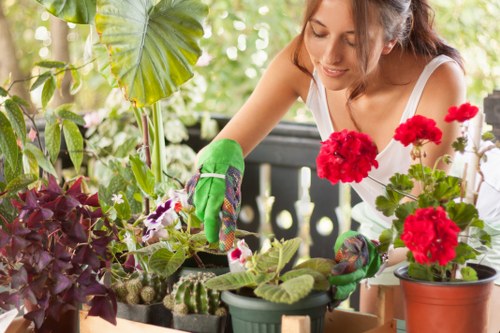 Privacy is often a major concern in city landscaping. Shadwell properties may be close to neighboring buildings, paths, or shared spaces, so creating a sense of enclosure can make an outdoor area feel more personal and relaxing. Screening, layering, and careful placement of features all contribute to this effect.
Hedges, trellis panels, pergolas, and tall planting can help define boundaries without making the space feel closed in. The goal is usually to create partial screening that feels soft and welcoming rather than defensive. This is particularly effective when combined with seating or gathering areas, allowing the outdoor space to feel like a retreat from the urban environment.
Privacy can also be achieved through design direction. By turning attention inward with focal points, textured planting, and well-placed structures, the landscape encourages people to enjoy the space itself rather than the surroundings beyond it. This technique is widely used in Shadwell landscaping because it enhances comfort while preserving a sense of openness.
Seasonal Interest and Year-Round Function
A strong landscape should feel engaging in every season. In spring, blossom and fresh growth can bring energy. In summer, foliage and flowers may provide colour and fullness. Autumn introduces richer tones and changing textures, while winter highlights structure, evergreen form, and architectural lines. A well-balanced design considers all of these phases rather than focusing on only one time of year.
This seasonal thinking is especially helpful in urban settings where outdoor space may be used regularly but not always in large amounts. When the garden or courtyard still looks composed during colder months, it continues to add value and enjoyment. Plants with attractive bark, seed heads, winter foliage, and strong silhouettes are particularly useful in this respect.
Landscaping in Shadwell becomes more successful when the space remains functional even as the weather changes. Durable surfaces, all-season planting, and clear layouts help maintain usability. The best outdoor spaces do not disappear in the off-season; they evolve gracefully throughout the year.
Balancing Beauty with Low Maintenance
Many property owners want outdoor spaces that look refined without requiring constant attention. That is why low-maintenance thinking is such an important part of modern landscape design. This does not mean sacrificing quality or visual interest. Instead, it means choosing features that are practical, resilient, and easy to care for over time.
Low-maintenance landscaping Shadwell often includes hardy planting, efficient irrigation choices where appropriate, mulched beds, and durable surfaces. Simplified layouts can also reduce upkeep by making the space easier to clean and manage. The goal is not to eliminate maintenance altogether but to make it manageable and predictable.
A smart design may also include evergreen structure and long-lived materials that remain attractive with minimal intervention. This helps the landscape hold its shape and identity even when seasonal changes or busy schedules limit regular care. In urban areas especially, this balance of beauty and practicality is highly valued.
Enhancing Kerb Appeal and Property Value
First impressions matter. The exterior of a property can influence how it is perceived long before anyone steps inside. For homes and commercial buildings alike, a thoughtfully landscaped entrance or frontage can create a sense of quality, care, and attention to detail. This makes landscaping a worthwhile investment not only for enjoyment but also for presentation.
Simple improvements can have a surprisingly strong impact. Clean edging, healthy planting, well-designed lighting, and attractive paving can all refresh the look of a property. When these elements are combined into a cohesive plan, the result feels far more polished than a collection of isolated upgrades. In many cases, good landscaping is what turns an ordinary exterior into a memorable one.
For those considering Shadwell landscaping, kerb appeal is one of the clearest benefits. A landscape that is tidy, welcoming, and visually balanced contributes to the overall sense of quality associated with the property. It signals care and design intelligence in a way that is immediately understandable.
The Role of Lighting in Outdoor Design
 Outdoor lighting can transform a landscape after dark. In a city setting, where evenings may be used for socializing, movement, or quiet relaxation, lighting adds both atmosphere and practicality. It highlights pathways, draws attention to planting, and creates depth that may not be visible during daylight hours.
Subtle lighting is often the most effective. Rather than overpowering the space, it can softly illuminate edges, feature plants, steps, and seating areas. This improves safety and also adds a more refined sense of composition. The right lighting can make even a small garden feel more spacious and carefully designed.
Lighting should always support the broader landscape plan. It works best when it emphasizes existing strengths rather than trying to create new ones artificially. In landscaping Shadwell projects, this often means using lighting to reinforce structure, guide movement, and bring out the texture of materials and foliage.
Developing a Cohesive Style
One of the most important aspects of successful landscaping is consistency. A cohesive style helps every feature feel connected, whether the space is modern, classic, minimal, naturalistic, or somewhere in between. Without that unity, even high-quality materials and planting can feel disconnected or visually noisy.
Style is shaped by many choices: plant selection, paving materials, furniture, layout, and decorative details. In Shadwell, many landscapes work best when they feel considered rather than overcomplicated. A restrained palette can be especially effective because it creates clarity and allows each element to stand out more clearly. This is one reason many landscaping in Shadwell projects favor fewer, stronger design gestures rather than too many competing ideas.
Consistency also helps create a sense of calm. When all the elements speak the same visual language, the space feels intentional and well cared for. That emotional effect is just as important as the physical appearance of the landscape.
Conclusion: Shadwell Landscaping That Brings Spaces to Life
Great outdoor design can make a remarkable difference in an urban neighborhood. With the right combination of planting, structure, materials, and practical planning, even the smallest exterior space can become a valuable part of daily life. Landscaping Shadwell is about creating spaces that look beautiful, work efficiently, and feel comfortable in real-world conditions.
From private gardens and courtyards to entrances and shared spaces, thoughtful landscape design helps properties feel more welcoming and more complete. It can provide privacy, improve usability, enhance seasonal interest, and support long-term appeal. When done well, it turns outdoor areas into places people genuinely enjoy spending time in.
Whether the goal is a tidy low-maintenance layout, a modern urban retreat, or a more layered and expressive setting, Shadwell landscaping offers many opportunities to improve both appearance and function. With careful attention to detail and a design that responds to the site, outdoor spaces in Shadwell can become lasting assets that enrich everyday living.